Virtual Reality vs. Traditional Dinosaur Exhibits: A Comparative Guide

Introduction to Dinosaur Exhibits
The fascination with dinosaurs has captivated audiences for generations. From towering skeletons in museums to cutting-edge virtual reality (VR) experiences, the way we explore these ancient creatures has evolved dramatically. This guide will compare traditional dinosaur exhibits with VR experiences, highlighting what each offers to enthusiasts and learners alike.
Both methods have their unique advantages, and understanding these can help you decide which experience might be more engaging or educational for you or your family.
Traditional Dinosaur Exhibits
Physical Interaction and Realism
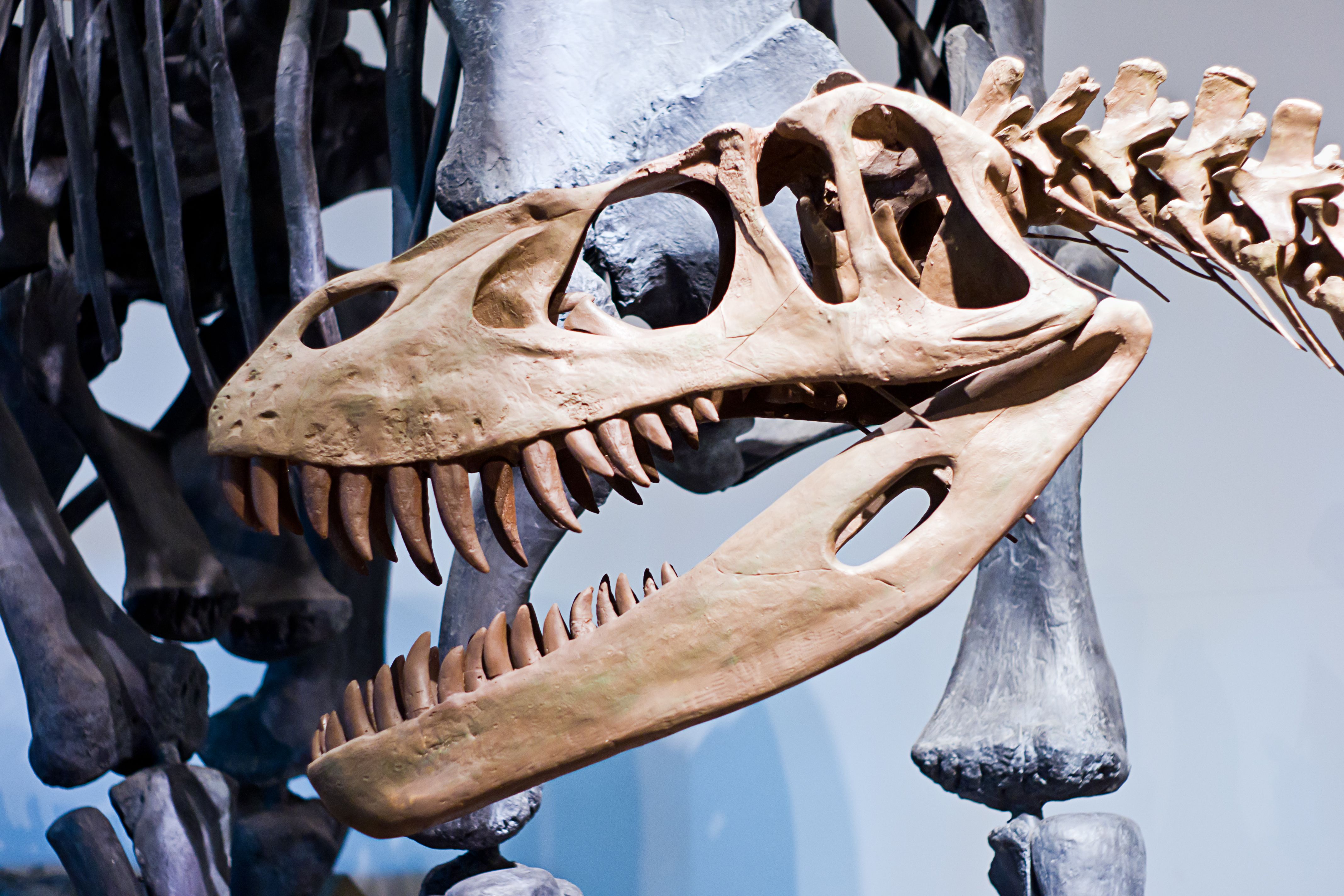
Traditional dinosaur exhibits provide a tangible connection to the past. Visitors can walk among life-sized skeletons and see actual fossilized remains. This physical interaction offers a sense of scale and realism that can be awe-inspiring.
Educational Opportunities
Museums often provide detailed information, guided tours, and educational programs that enhance learning. The chance to see real artifacts and participate in hands-on activities can be enriching, especially for school groups and families.

Limitations of Traditional Exhibits
Despite the tangible benefits, traditional exhibits are limited in their interactivity and scope. The static nature of the displays may not fully capture the imagination of younger audiences accustomed to digital experiences. Additionally, maintaining these exhibits can be costly and require significant space.
Virtual Reality Dinosaur Experiences
Immersive and Interactive
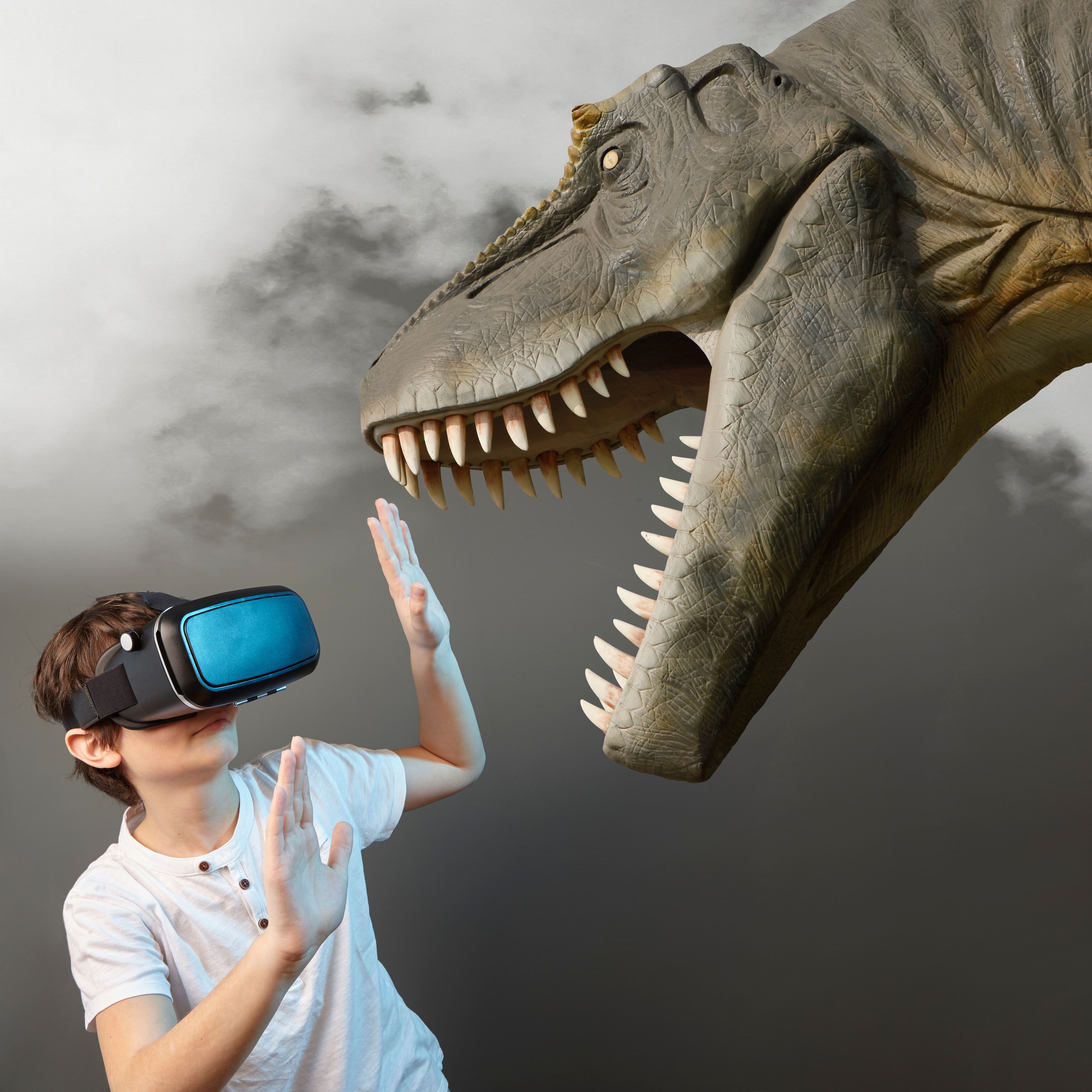
Virtual reality offers an immersive experience that can transport users back to the time of the dinosaurs. With VR, you can explore prehistoric environments, observe dinosaurs in motion, and interact with them in ways that traditional exhibits cannot provide.
Accessibility and Convenience
One of the primary advantages of VR is accessibility. These experiences can be accessed from the comfort of your home, allowing more people to engage with dinosaurs without traveling to a museum. This convenience is particularly beneficial for those who live far from major museums.
Challenges of VR Experiences
While VR offers unique benefits, it also comes with challenges. The technology can be expensive, and not everyone may have access to the necessary equipment. Additionally, some users may find VR experiences overwhelming or disorienting.
Conclusion
Both traditional dinosaur exhibits and virtual reality experiences offer unique ways to explore the world of dinosaurs. Whether you prefer the tangible connection of a museum or the immersive adventure of VR, both methods provide valuable educational opportunities. The choice ultimately depends on your interests, access, and the type of experience you seek.
As technology continues to advance, the potential for even more engaging and informative dinosaur experiences will only grow, offering exciting prospects for enthusiasts of all ages.