The Evolution of Dinosaur Fairs: Trends and Innovations

The Rise of Dinosaur Fairs
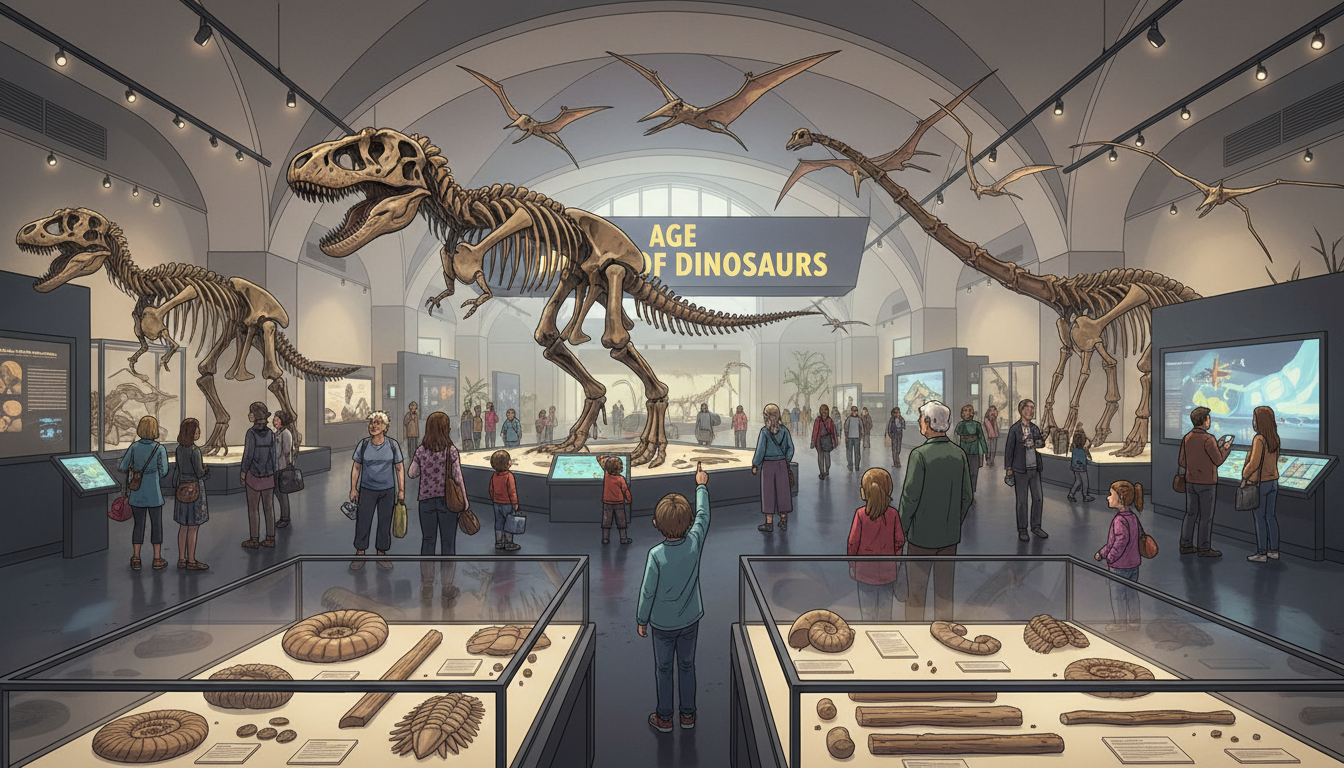
Dinosaur fairs have come a long way from their humble beginnings. Initially, these events were modest gatherings of enthusiasts and paleontologists sharing their passion for prehistoric life. However, over the years, they have evolved into grand spectacles that attract visitors from all walks of life. The rise in popularity can be attributed to the growing fascination with dinosaurs and advancements in technology that bring these ancient creatures to life.
Technology Transforming Experiences
One of the most significant trends in dinosaur fairs is the integration of cutting-edge technology. Today, visitors can enjoy interactive exhibits featuring augmented reality (AR) and virtual reality (VR), allowing them to walk among dinosaurs and witness their behaviors up close. These immersive experiences have revolutionized the way people engage with the prehistoric world, making it more accessible and exciting than ever before.
Additionally, 3D printing has enabled the creation of lifelike dinosaur models that are used for both educational and entertainment purposes. These models provide a tangible connection to the past, enhancing the overall experience for attendees.
Interactive and Educational Activities
Modern dinosaur fairs are not just about viewing exhibits; they offer a plethora of hands-on activities designed to educate and entertain. Attendees can participate in fossil digs, where they can unearth replicas of dinosaur bones, or attend workshops led by experts in paleontology.

Moreover, live demonstrations and talks by renowned scientists provide valuable insights into the latest discoveries and theories in the field. These interactive elements ensure that visitors leave with a deeper understanding of dinosaurs and their place in Earth's history.
Innovations in Exhibit Design
Exhibit design has also seen significant innovations, with fairs increasingly focusing on creating realistic environments that mimic the habitats of dinosaurs. This includes the use of soundscapes, lighting effects, and landscaping to transport visitors back in time.
For example, some fairs have introduced night tours, where visitors can explore the exhibits under the moonlight, complete with the sounds of nocturnal creatures. These innovative approaches not only enhance the visual appeal but also add an element of mystery and excitement to the experience.
Sustainability and Conservation Efforts
As awareness of environmental issues grows, dinosaur fairs are also taking steps to promote sustainability and conservation. Many events now include exhibits that highlight the importance of preserving our planet's biodiversity, drawing parallels between the extinction of dinosaurs and current environmental challenges.
Some fairs have even partnered with conservation organizations to raise funds and support initiatives aimed at protecting endangered species. This shift towards sustainability reflects a broader trend in the event industry, emphasizing the need to balance entertainment with education and responsibility.
The Future of Dinosaur Fairs
Looking ahead, the future of dinosaur fairs appears promising, with continued innovations and expansions on the horizon. As technology continues to advance, we can expect even more immersive and engaging experiences that captivate audiences of all ages.
Furthermore, the integration of artificial intelligence and machine learning could lead to more personalized and dynamic exhibits, adapting to the interests and preferences of individual visitors. The evolution of dinosaur fairs is a testament to the enduring allure of these magnificent creatures and our desire to connect with the distant past.