Common Misconceptions About Interactive Dinosaur Exhibits Debunked


The Reality Behind Interactive Dinosaur Exhibits
Interactive dinosaur exhibits have skyrocketed in popularity, drawing families and enthusiasts eager to explore the prehistoric world. However, several misconceptions about these exhibits often lead to confusion and unrealistic expectations. Let's take a closer look at some of these myths and set the record straight.
Misconception 1: They're Just for Kids
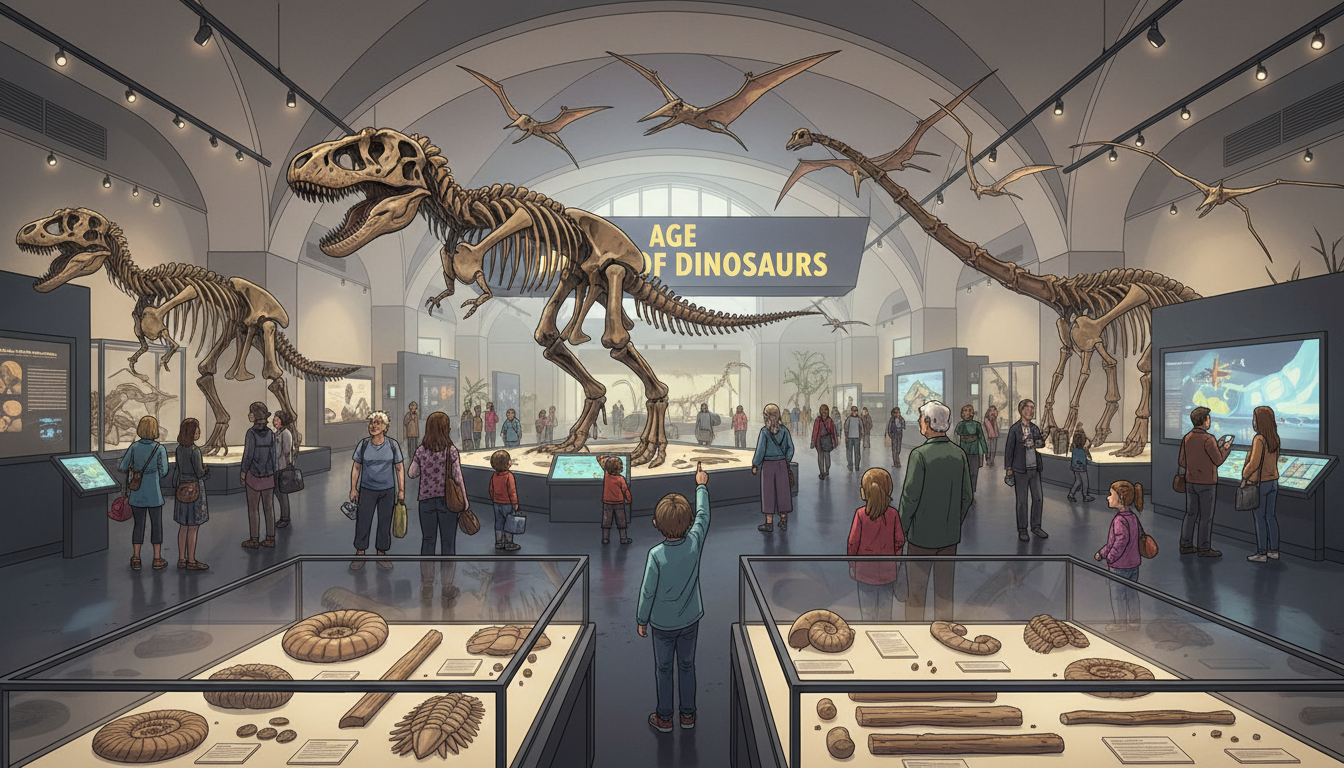
One common belief is that interactive dinosaur exhibits are designed solely for children. While it's true that these exhibits provide an engaging way for young ones to learn about dinosaurs, they also offer a wealth of information and interactive experiences for adults. From detailed fossil displays to immersive virtual reality experiences, there's something for everyone.
Adults can appreciate the scientific accuracy and the depth of information provided about each species. Exhibits often include detailed explanations about dinosaur behavior, diet, and habitats, appealing to anyone with a curiosity about our planet's ancient past.
Misconception 2: They're Not Scientifically Accurate
Another misconception is that interactive exhibits sacrifice scientific accuracy for entertainment. In reality, many exhibits are developed in collaboration with paleontologists and experts in the field. These professionals ensure that the information presented is up-to-date and accurate.

Exhibits typically integrate the latest research findings, offering insights into new discoveries and theories. This collaboration guarantees that visitors receive an educational experience grounded in current scientific understanding.
Misconception 3: All Exhibits Are the Same
Many believe that once you've seen one dinosaur exhibit, you've seen them all. However, interactive exhibits vary greatly in terms of content and presentation. Some focus on specific eras of the Mesozoic, while others might highlight a particular group of dinosaurs or a specific region.
Moreover, technological advancements have led to innovative ways of presenting information. Augmented reality (AR) and virtual reality (VR) offer dynamic and engaging ways to bring these ancient creatures to life, providing each exhibit with a unique twist.

Misconception 4: They Lack Educational Value
Interactive dinosaur exhibits are sometimes dismissed as purely entertainment, lacking educational substance. However, many of these exhibits are designed with education at their core. They often align with school curriculums, offering valuable learning opportunities about geology, biology, and history.
Visitors can engage with hands-on activities, workshops, and guided tours that deepen their understanding and appreciation of the prehistoric world. These elements are carefully crafted to enhance learning and stimulate curiosity.
Embrace the Experience
Interactive dinosaur exhibits provide a fascinating glimpse into a world long gone, blending education with entertainment. By debunking these common misconceptions, we can better appreciate the effort and expertise behind these exhibits. Next time you visit one, take the opportunity to delve into the prehistoric past with a fresh perspective.