Behind the Scenes of Jurassic Rescue: Bringing Dinosaurs to Life


The Magic of Dinosaur Animation
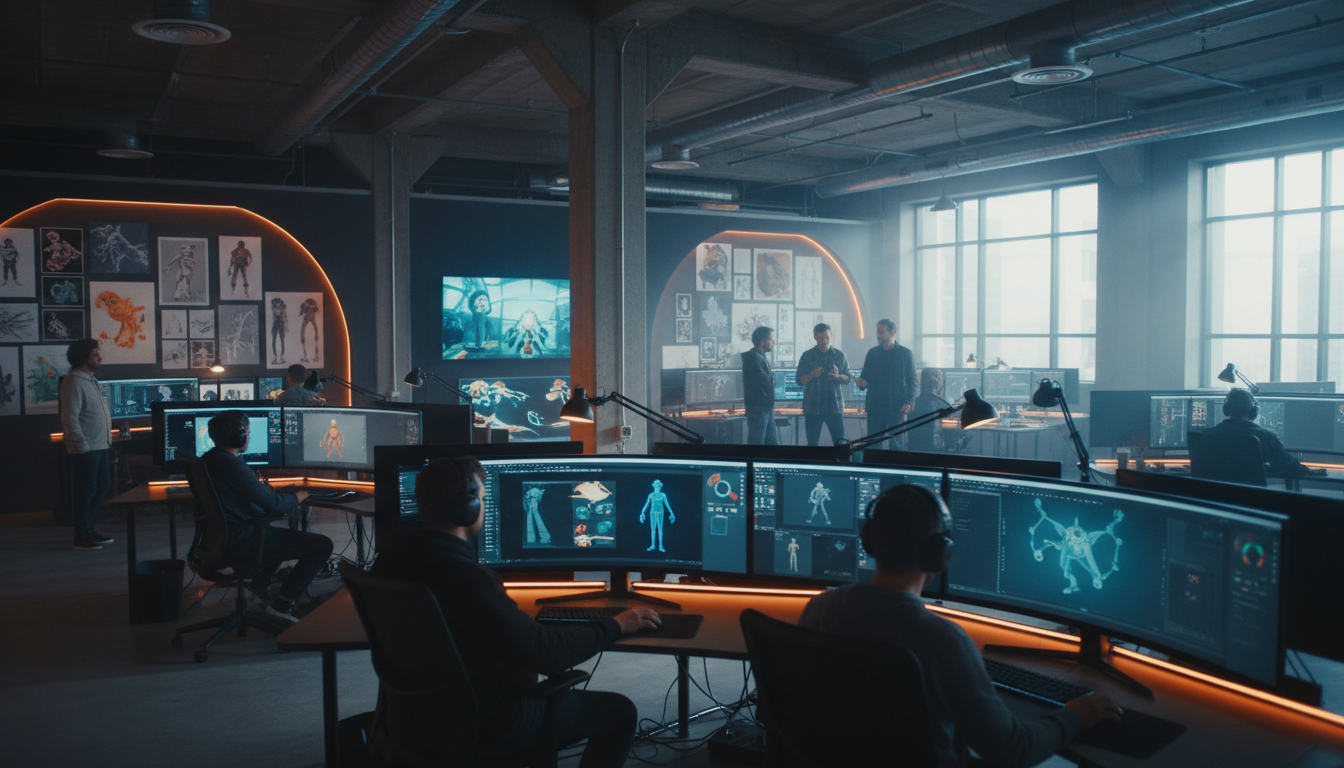
Creating lifelike dinosaurs for "Jurassic Rescue" wasn't just about computer graphics; it was an intricate blend of artistry and technology. The team behind the movie dedicated countless hours to research and development, ensuring every dinosaur moved authentically and looked as though it had stepped out of the Mesozoic era.
One of the most challenging aspects was achieving realistic movements. Animators studied the biomechanics of modern animals, drawing parallels with their prehistoric counterparts to create believable motion sequences.
The Role of Paleontologists
Collaboration with paleontologists was crucial to bringing the dinosaurs to life. These experts provided insights into the structure and behavior of various species, ensuring the film stayed true to scientific theories while maintaining an engaging narrative.
By examining fossil records and recent discoveries, paleontologists helped refine the creatures' appearances, contributing to the film's authenticity. This partnership allowed the team to depict not only the physical traits but also the potential social behaviors of these magnificent creatures.
Sound Design: A Jurassic Symphony
The sound design was another critical element in creating immersive dinosaur experiences. The sound team faced the challenge of inventing roars, growls, and calls for species that haven't been heard for millions of years.
Using a blend of animal sounds, musical instruments, and digital manipulation, they crafted unique soundscapes for each dinosaur. This auditory layer added depth to the film, making the presence of these ancient giants palpable.

Innovations in Special Effects
Special effects played a pivotal role in "Jurassic Rescue." Cutting-edge technologies like CGI and animatronics were used in tandem to create a seamless experience. Animatronics provided tactile interactions, while CGI allowed for dynamic movements and intricate details.
This hybrid approach ensured the dinosaurs felt real, whether they were interacting with the environment or engaging with human characters. The meticulous attention to detail in both visual and practical effects was a hallmark of the production.
Transforming Sets into Prehistoric Landscapes
Creating the world of "Jurassic Rescue" required transforming modern locations into prehistoric landscapes. The set design team scouted diverse locations, from dense forests to barren deserts, to find the perfect backdrops for each scene.
In addition to natural settings, intricate sets were built to mimic ancient flora and environments. This combination of real-world locations and constructed sets allowed for a visually rich and immersive world.
The Team Behind the Success
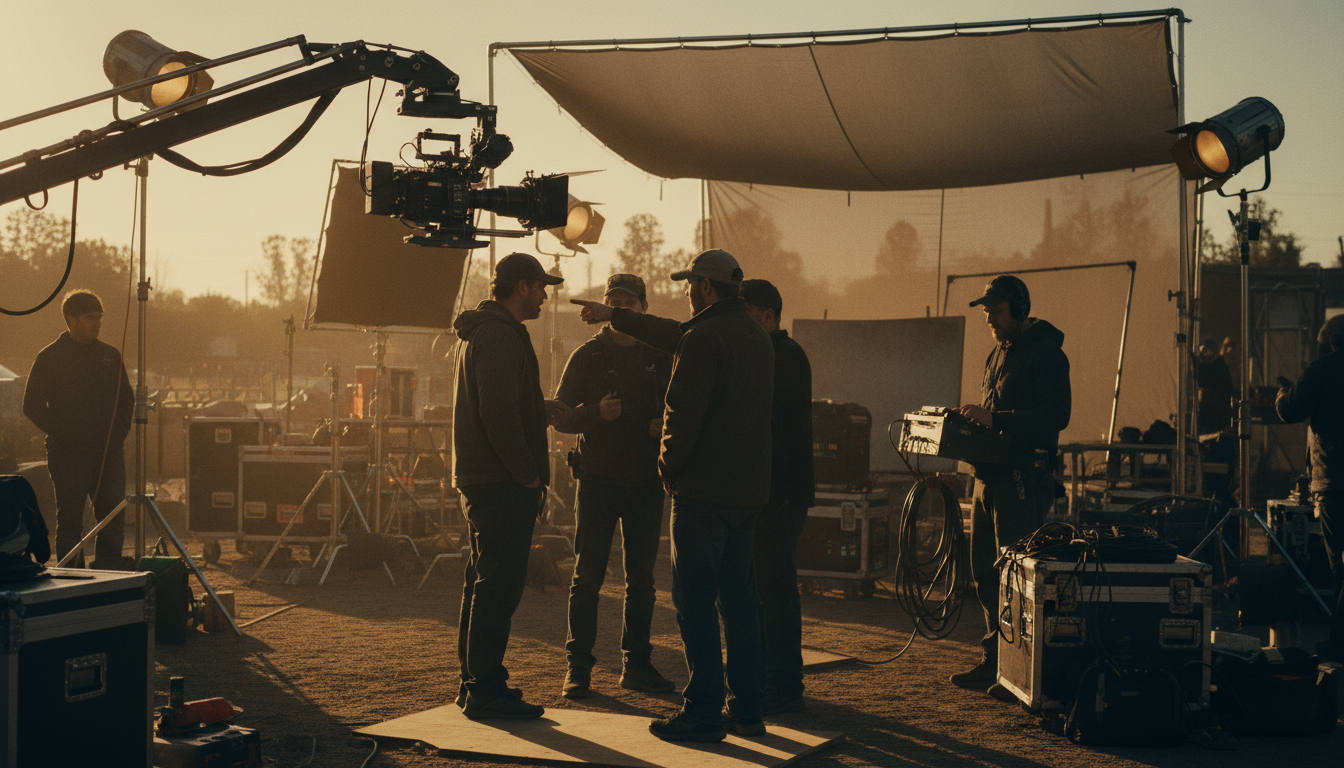
The success of "Jurassic Rescue" can be attributed to the dedicated team of artists, scientists, and technicians who brought the ancient world back to life. Their passion and creativity were evident in every frame, making the film a thrilling journey into the past.
From conceptual artists to sound engineers, each member played a vital role in crafting a believable and enchanting prehistoric experience. Their collective efforts turned a fantastical concept into a cinematic reality.