Behind the Scenes: Creating an Unforgettable Dinosaur Experience


Introduction to the Dinosaur Experience
Creating an unforgettable dinosaur experience is no small feat. It requires a blend of creativity, technology, and meticulous planning. Dinosaurs have fascinated humans for generations, and bringing them to life in an engaging way is both a challenge and a joy for creators. This blog post takes you behind the scenes to explore how these prehistoric creatures are made to roam the earth once more.
Conceptualizing the Experience
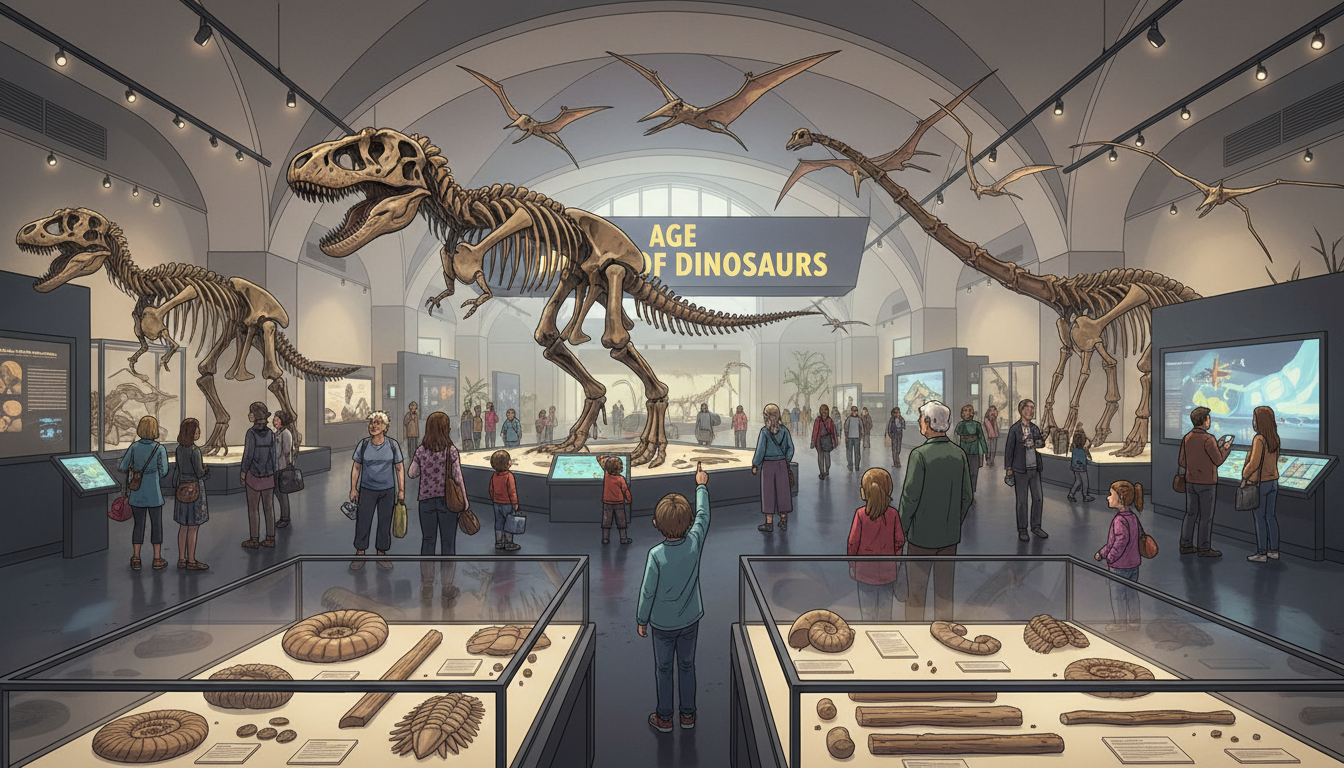
The first step in creating a dinosaur experience is conceptualization. This involves understanding what the audience wants to see and feel. The goal is to transport visitors back in time to an era where dinosaurs ruled the earth. This stage involves brainstorming sessions, storyboarding, and extensive research into dinosaur history and paleontology.
During this phase, collaboration between paleontologists and creative designers is crucial. Experts provide valuable insights into the physical characteristics and behaviors of dinosaurs, ensuring that the experience is not only entertaining but also educational. The combination of these elements helps in crafting a narrative that is both compelling and accurate.
Design and Technology
Once the concept is solidified, the design phase begins. This involves creating lifelike dinosaur models using advanced technology such as 3D printing and animatronics. These models are designed with intricate details to ensure authenticity. The use of cutting-edge technology allows creators to add movement and sound, making the dinosaurs appear more realistic.

Technology also plays a significant role in the interactive aspects of the exhibit. Virtual reality (VR) and augmented reality (AR) are often used to create immersive environments where visitors can interact with dinosaurs in ways that were previously unimaginable. This dynamic interaction enhances the overall experience, making it memorable for visitors of all ages.
Building the Set
The next step is building the set, which involves transforming a space into a prehistoric world. This requires a team of set designers, architects, and engineers working together to create landscapes that resemble the habitats in which dinosaurs once lived. Attention to detail is key, from the vegetation to the terrain, to ensure an authentic representation.
Lighting and sound design further enhance the experience, creating an atmosphere that is both thrilling and educational. The sound of dinosaurs roaring and the ambiance of their natural environment are crafted to immerse visitors completely.
Testing and Refinement
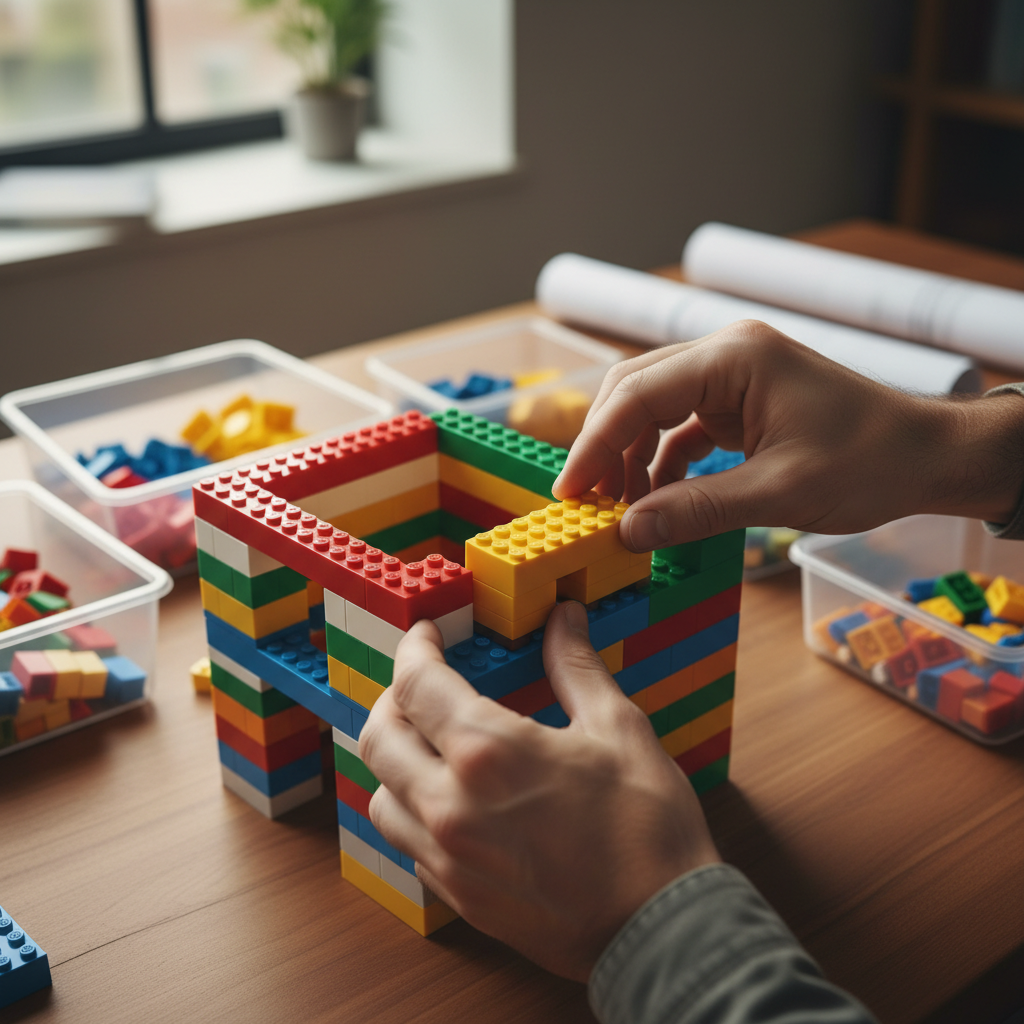
Before opening to the public, extensive testing and refinement are conducted. This involves running through the entire experience to identify any issues or areas for improvement. Feedback from test audiences is invaluable in this stage, providing insights into what works well and what needs adjustment.
The team works diligently to ensure that the experience is both safe and engaging. Safety protocols are established, and staff are trained to guide visitors through the exhibit, enhancing both enjoyment and learning.
The Grand Opening
Finally, the time comes for the grand opening. Months of hard work culminate in an event that showcases the fruits of the team's labor. The excitement is palpable as visitors step into a world that has been meticulously crafted to transport them millions of years into the past.
The success of a dinosaur experience is measured not only by the number of visitors but by the smiles on their faces and the memories they create. It's a journey through time that leaves a lasting impression, sparking curiosity and a love for science and history.