Behind the Scenes: Creating a Dinosaur Exhibition


Introduction to the Dinosaur World
Creating a dinosaur exhibition is an exciting journey that combines science, art, and history. This immersive experience aims to transport visitors millions of years back in time, offering a glimpse into a world dominated by these majestic creatures. But how does such an exhibition come to life?

The Initial Planning Phase
The process begins with meticulous planning. Curators and scientists collaborate to determine the theme and focus of the exhibition. Will it highlight specific species, showcase new discoveries, or explore the latest theories in paleontology? These decisions shape the direction of the entire project.
Once the theme is established, the next step is to allocate a budget. This includes costs for acquiring fossils, creating replicas, and integrating interactive technology. A well-planned budget ensures a seamless execution of the exhibition.
Sourcing the Specimens
The heart of any dinosaur exhibition lies in its specimens. Museums often collaborate with paleontologists and research institutions to source both authentic fossils and high-quality replicas. These pieces are carefully selected to align with the exhibition's theme, ensuring an educational and engaging experience for visitors.
Designing the Exhibition Space
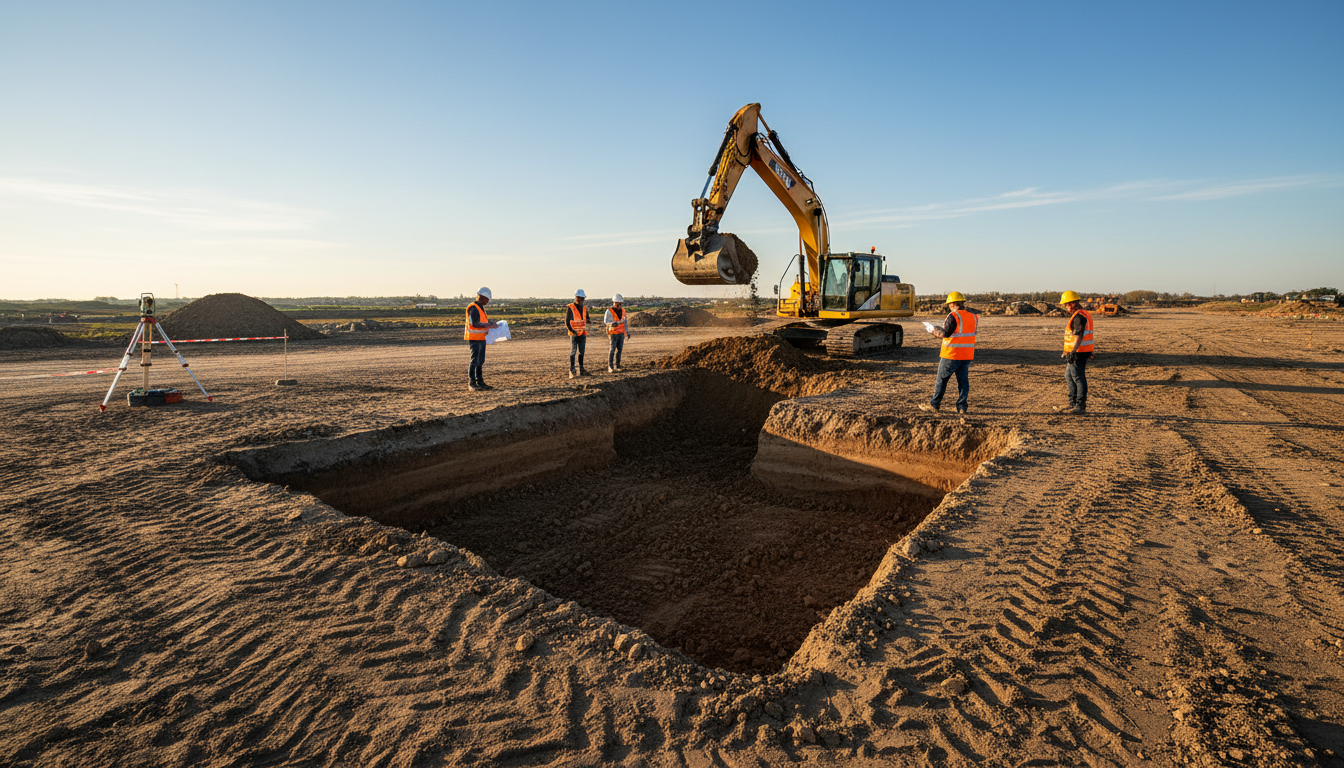
Designing the exhibition space is a creative challenge that involves architects, designers, and lighting experts. The goal is to create an environment that captures the awe-inspiring nature of dinosaurs. This often includes lifelike dioramas, sound effects, and strategically placed lighting to enhance the visual impact.
Interactive elements, such as touchscreens and augmented reality experiences, are also integrated to engage visitors of all ages. These features provide additional layers of information and allow for a more personalized exploration of the exhibit.
Bringing Dinosaurs to Life
Creating lifelike dinosaur models is an art form in itself. Skilled artists and sculptors work tirelessly to ensure each model is as accurate as possible, using the latest scientific research to guide their work. From the texture of the skin to the size of the teeth, every detail is meticulously crafted.
Educational Programs and Special Features
An essential component of any dinosaur exhibition is its educational programs. Workshops, guided tours, and lectures are designed to enhance the learning experience. These programs are tailored for different age groups, ensuring that everyone leaves with a deeper understanding of the prehistoric world.
Special features, such as virtual reality experiences and interactive games, further enrich the exhibition. These technologies allow visitors to see dinosaurs in action, providing a dynamic and memorable adventure.
The Grand Opening
After months of preparation, the exhibition is finally ready to open its doors. The grand opening is a significant event, often featuring guest speakers, media coverage, and special activities for attendees. This marks the culmination of all the hard work and dedication poured into the project.
Conclusion: A Journey Through Time
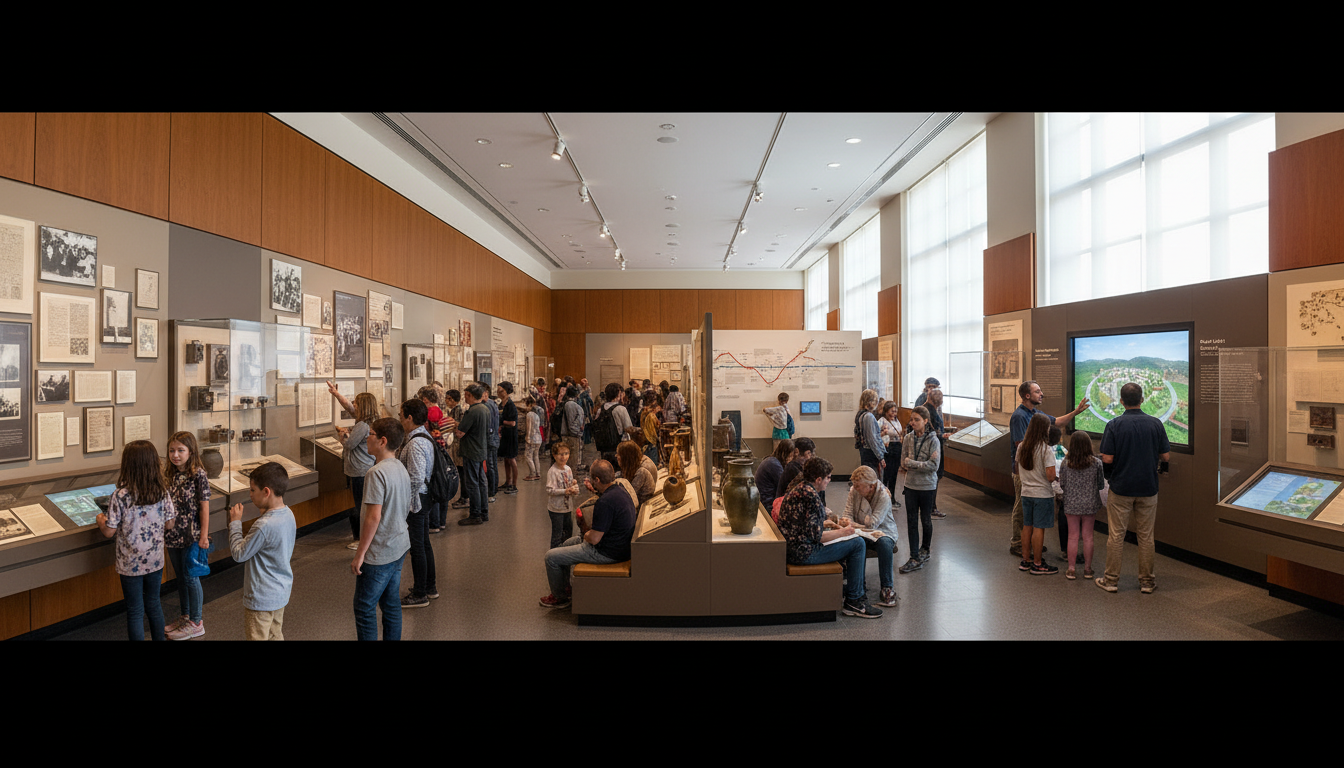
The creation of a dinosaur exhibition is a monumental task that requires collaboration across various fields. From scientists and artists to educators and designers, each team member plays a vital role in bringing the prehistoric world to life. The result is a captivating experience that educates and inspires visitors, fostering a lasting appreciation for the ancient giants that once roamed the Earth.